.svg)
We can often schedule you the same week you call.
.svg)
We use specialized equipment to test your air.
.svg)
We send you a report with easy advice you can act on right away.
.svg)
.svg)
.svg)
.svg)
.svg)
.svg)
.svg)

.jpeg)



.svg)
Indoor air quality testing can evaluate a range of invisible factors that may affect your home's environment. We can test for carbon dioxide (CO₂), carbon monoxide (CO), fine particles (PM2.5), volatile organic compounds (tVOCs), formaldehyde, temperature, humidity, and other air quality indicators.
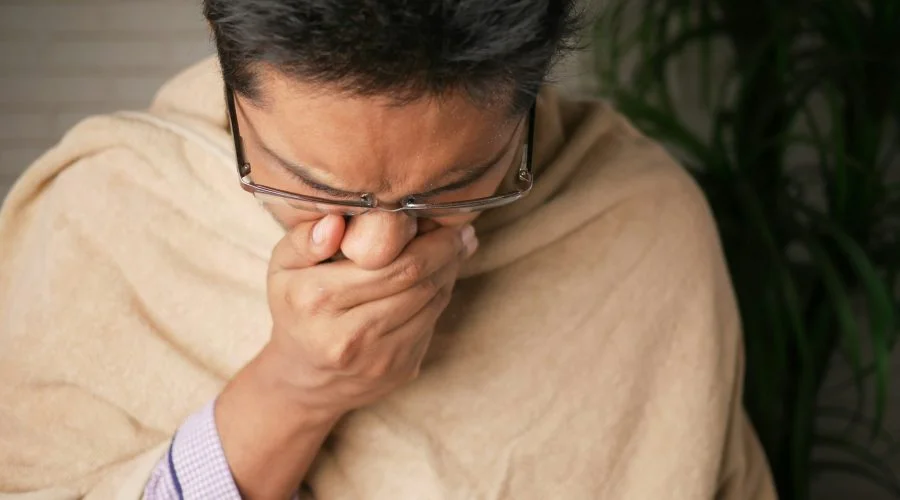
You don't need to see a problem to have concerns about your indoor air. Many of our clients contact us because they notice musty odors, headaches, brain fog, worsening allergies, poor sleep, or because they simply don't feel as well at home as they do when they're away. Indoor air quality testing helps identify environmental factors that may be contributing to those concerns.
In most cases, yes. We generally want to evaluate your home under normal living conditions, including how your HVAC system typically operates. If any special preparation is needed, we'll let you know before your appointment. For example, we will tell you to turn off any air purifer or ERV systems.
Yes. Many indoor air quality issues have no noticeable odor. Elevated carbon dioxide, fine particles, volatile organic compounds, and even some mold problems can exist without producing a smell. Testing helps identify issues that aren't obvious to your senses.
Mold testing focuses specifically on identifying mold growth and mold spores. Indoor air quality testing looks more broadly at the air inside your home and may evaluate factors such as particles, humidity, carbon dioxide, volatile organic compounds, and other contaminants. Depending on your concerns, you may benefit from one service or both.
You don't need to see a problem to have concerns about your indoor air. Many indoor air quality issues are invisible and may not have an obvious smell.Indoor air quality testing may be worth considering if you notice persistent musty odors, worsening allergies, headaches, brain fog, fatigue, or symptoms that seem to improve when you're away from home. It can also be helpful after water damage, renovations, wildfire smoke, or if you're concerned about pollutants such as volatile organic compounds (VOCs), fine particles, carbon dioxide (CO₂), or formaldehyde. Testing can't diagnose a medical condition, but it can help identify environmental factors that may be affecting the air inside your home and provide information you can use to make informed decisions.




.svg)


Texas Department of Licensing and Regulation (TDLR)
Mold Assessment Company: #ACO1327 Exp 09/28
Mold Assessment Consultant: #MAC2207 Exp 11/27
TDLR Consumer Mold Information Sheet
House Of Thyme ® 2026. All Right Reserved.



.svg)