Environmental Mold Inspection for Patients & Practitioners
Medical testing and environmental testing serve different purposes. Medical providers evaluate the patient. Environmental inspectors evaluate the building. Understanding the distinction helps patients and practitioners determine whether a home inspection may be appropriate as part of a broader investigation.
Functional medicine often takes a broad approach to understanding health concerns — evaluating factors such as nutrition, lifestyle, genetics, and environmental exposures. In some situations, practitioners and patients begin considering whether conditions inside the home may be relevant to persistent or unexplained symptoms.
Homes that have experienced moisture problems, water damage, or persistent humidity may develop mold growth in hidden areas. Because mold frequently grows in concealed locations, it may not always be visible during normal daily life. Environmental mold inspections are designed to evaluate whether conditions inside the home could allow mold to develop and affect indoor air quality.
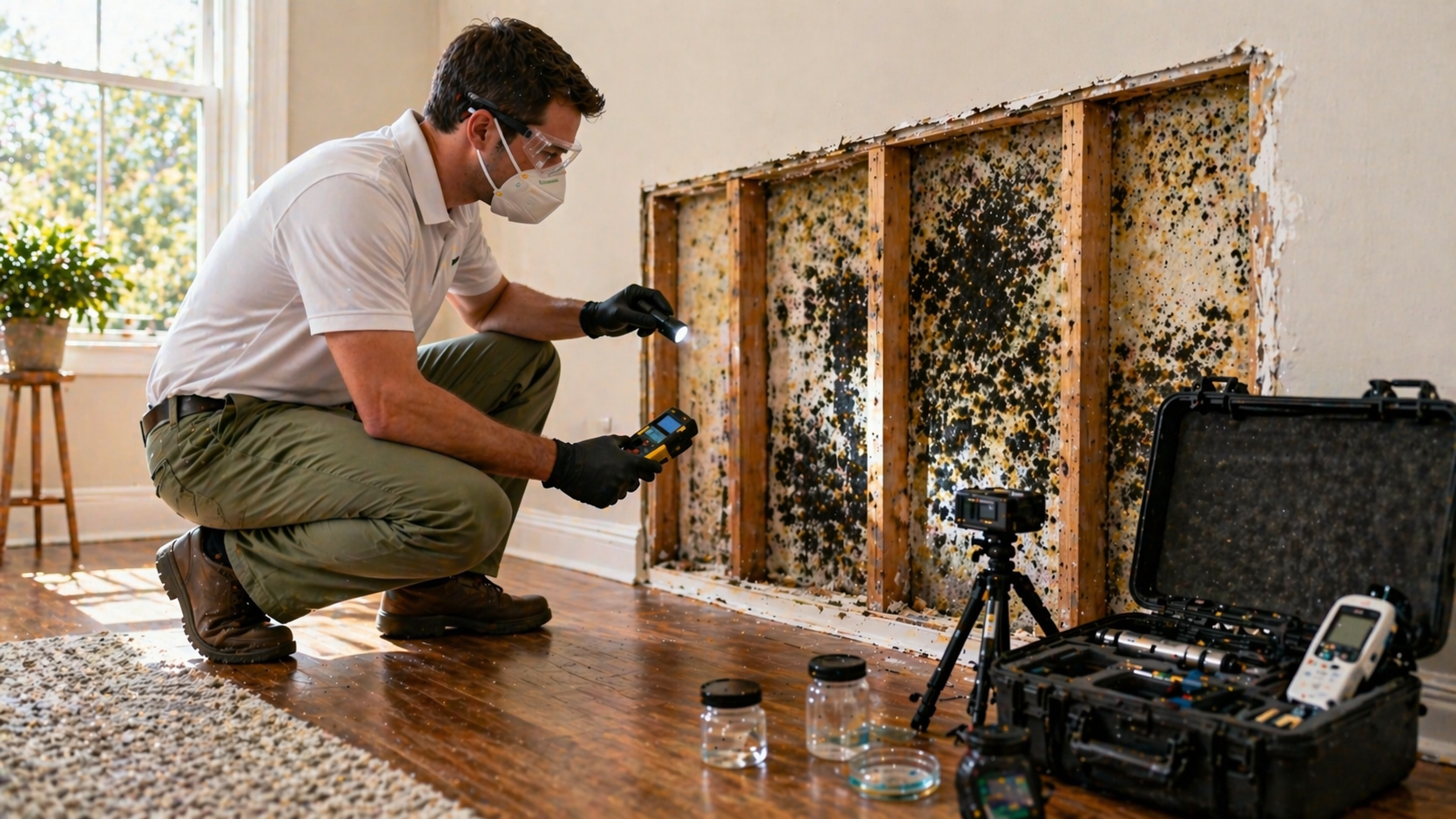
Functional medicine practitioners may investigate environmental factors when patients report concerns such as:

Because mold spores are microscopic, many homeowners are unaware of a problem until symptoms or a musty smell prompt investigation. A professional inspection evaluates areas not visible during a standard walkthrough using moisture meters, thermal imaging, cavity wall and air sampling.
When patients investigate mold exposure alongside a functional medicine practitioner, it is important to understand that medical testing and environmental testing serve fundamentally different purposes. Both may be relevant, but they evaluate different things.
These two forms of investigation often work in parallel. A functional medicine practitioner evaluates the patient; an environmental inspector evaluates the building. The findings from each may inform the other, but they remain distinct disciplines with distinct scopes.
Mold frequently develops in areas that homeowners rarely see. Even homes that appear clean and well maintained can contain hidden moisture problems — particularly in Austin, where humidity levels and older housing stock create conditions that favor mold growth in concealed locations.
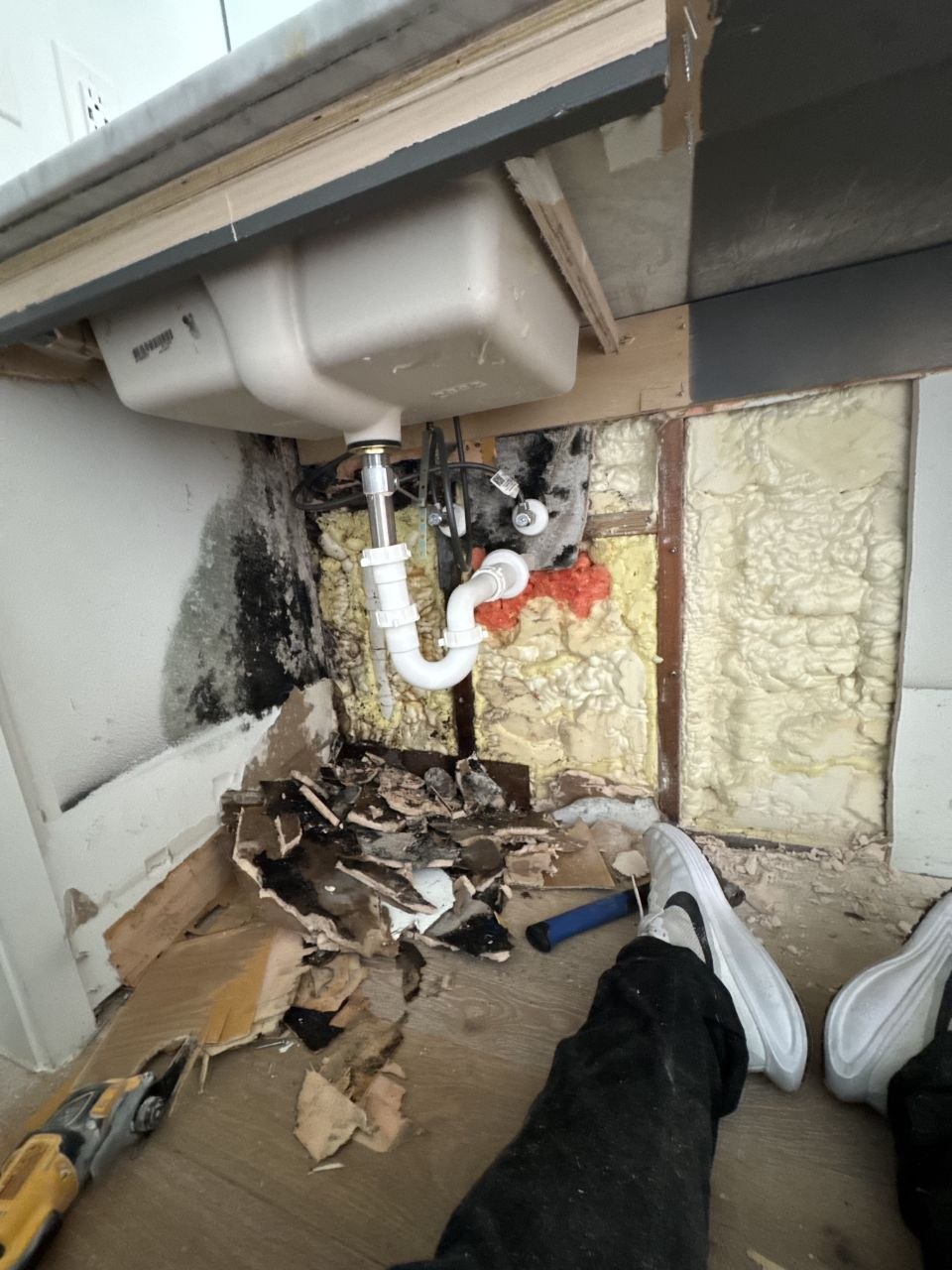
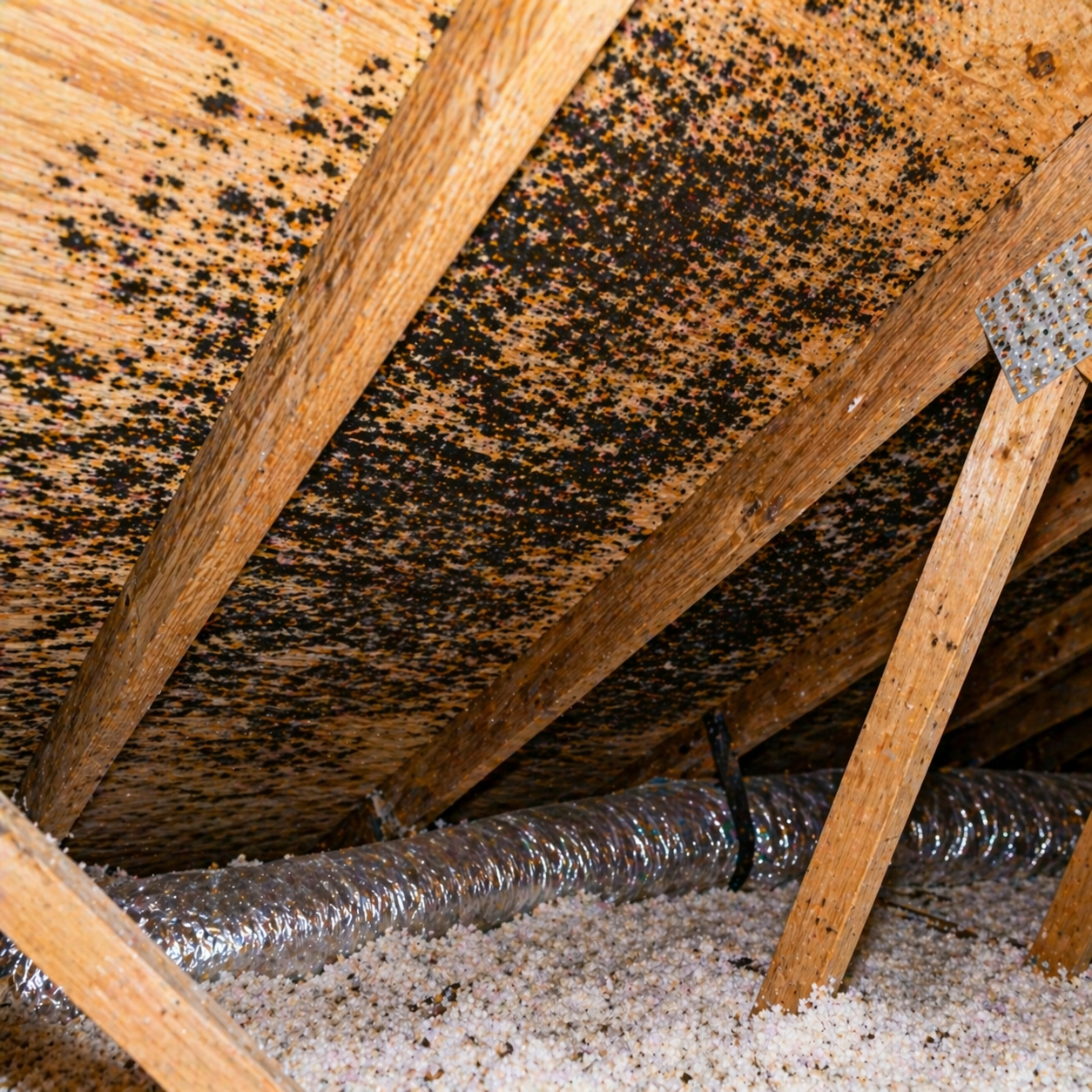
Because these areas are concealed, mold growth may continue unnoticed for extended periods. Environmental inspections focus specifically on identifying the moisture conditions that allow mold to develop in these hidden locations.


Some homeowners and practitioners begin investigating environmental conditions when certain patterns are present. These indicators do not confirm mold, but they suggest that evaluating the home environment may be appropriate.
Professional environmental mold inspections focus on identifying the source of the moisture, not just whether mold is present. A comprehensive inspection evaluates building materials, concealed areas, and indoor air quality using several complementary methods.

Collected samples are analyzed by accredited environmental laboratories. Laboratory testing identifies mold spore types, relative concentrations, and species present and compares indoor levels against outdoor baseline conditions to determine whether indoor levels appear elevated.
After the inspection, clients receive a comprehensive environmental report. Many clients choose to share this report with their healthcare provider when investigating environmental exposure concerns. Reports are typically delivered within 48-72 hours of laboratory analysis. However, laboratory analysis can take up to a week (expedited processing is available by labs at an additional cost).


In Texas, mold inspectors and mold remediation contractors are regulated separately by the Texas Department of Licensing and Regulation (TDLR). This regulatory separation exists specifically to prevent conflicts of interest — ensuring that the party identifying a problem is never the same party being paid to fix it.
House of Thyme provides inspection and testing services only. We do not perform mold remediation. This means our findings are driven entirely by what the evidence shows and never by a financial interest in any particular outcome.

Independent inspection reports provide objective documentation of environmental findings inside the home without the conflict of interest that exists when the same company both identifies and remediates problems. This objectivity is particularly important when reports will be shared with healthcare providers, used in insurance claims, or referenced in legal proceedings.
When patients and practitioners want to understand whether the home environment may be contributing to a broader health investigation, an independent environmental inspection provides a clear, unbiased assessment of conditions inside the building.